Atlanta, Georgia
Water Damage Restoration in Atlanta? Reach a Local Provider
One free call connects you with an independent restoration provider who works in Atlanta.
Free to call. No obligation to hire anyone.
- Calls go to local restoration providers
- Burst pipes, floods, sewage and mold
- A free service for Atlanta homeowners
- You decide who does the work
What happens when you call
From water on the floor to a provider on the phone
- Call the numberThe call is free. Water Damage Services Atlanta is a referral service that connects callers by phone with independent local water damage restoration providers. It is not a restoration contractor and does no work itself.
- Say what is wet and whereGive the Atlanta address or neighborhood, where the water came from if you know, how long it has been there and whether the source has been stopped.
- Deal directly with the providerThe provider you are connected with gives its own assessment, price and schedule. Any contract or warranty is between you and that provider, and who can take the job depends on which providers are taking calls.
What you can call about
Pick the water problem that sounds like yours
Each page covers one kind of water damage and the Atlanta rules and records that go with it. Or skip the reading, call, and describe what you are seeing to a local restoration provider.
Emergency water removal
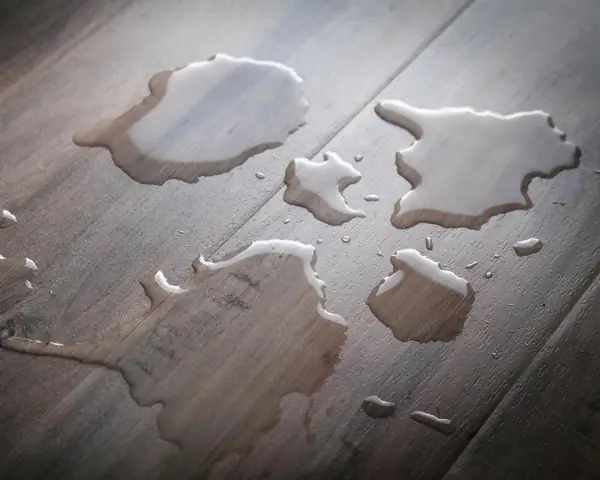
Standing water on the floor right now, in a house, condo or high-rise.
Flood damage restoration
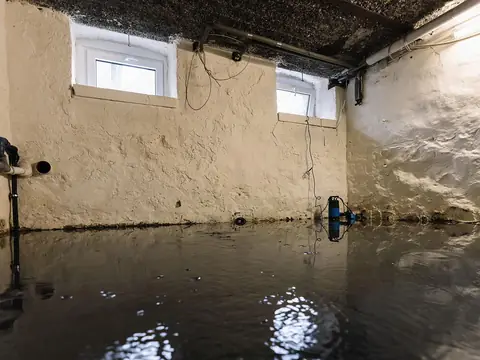
Creek, storm or basement water, and when it is treated as contaminated.
Burst pipe water damage
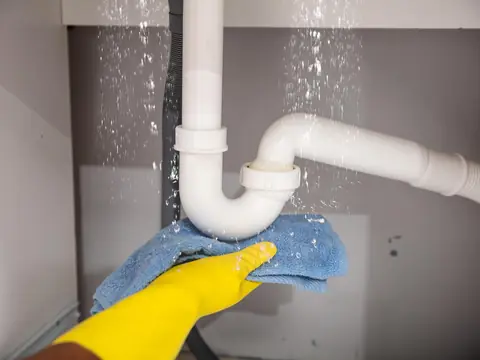
Frozen pipes, failed supply lines and leaking water heaters.
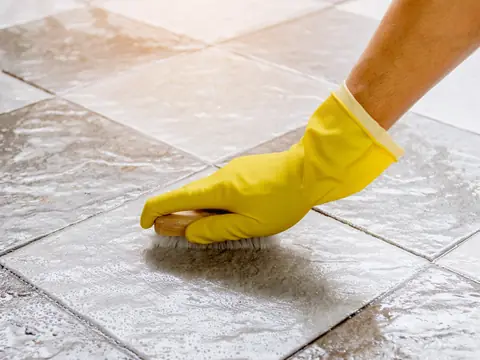
Sewage cleanup
Drain backups and toilet overflows, and whose pipe it is.
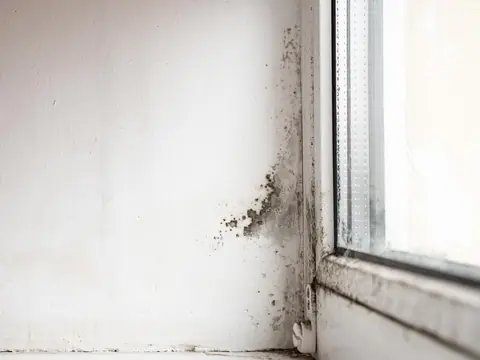
Mold remediation
Growth after a leak, what removal involves and what Georgia regulates.
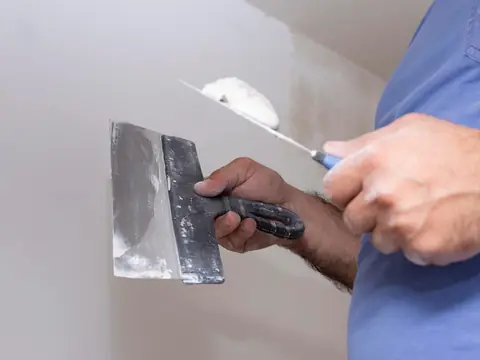
Water damage repair
Ceilings, drywall and hardwood put back once the structure is dry.


Local conditions
Water damage in Atlanta, by the record
Four figures from public records that explain why water ends up inside Atlanta buildings.
- 50.43 inches of rain a yearNOAA’s 1991 to 2020 monthly normals for the Atlanta airport add up to 50.43 inches. July is the wettest month at 4.75 inches and October the driest at 3.28, so no month is reliably dry.
- 17 feet on Peachtree CreekThat is the National Weather Service flood stage at the Northside Drive gauge. The creek has topped it in most recent years, and it reached 23.51 feet on September 27, 2024 during Helene.
- 8 degrees FAtlanta’s low on December 24, 2022, in a city where the normal January low is 35.6 degrees F. Pipes in a mild-climate city still meet hard freezes.
- 53.5 percent in shared buildingsBy 2024 American Community Survey estimates, more than half of Atlanta’s housing units are in buildings of five or more units. In a stacked building, a leak in one home can reach the home below.

First steps
What to do right now, before anyone arrives
These steps come from published safety guidance, most of it federal, and take a few minutes. Do the ones you can do safely, in this order, and skip any that would put you in the water.
- Stop the water. Close the valve at the fixture, or close the main shut-off. Consumer Reports says the main valve is usually at the water meter or where the main line enters the house.
- Leave the power alone unless the panel is dry. The CDC’s advice is to switch off the main only if the panel can be reached from a dry place. If reaching it means stepping into standing water, do not, and call an electrician. Never use anything electric while standing in water.
- Decide whether the water is clean. Water that came up a drain, in from a creek or off the street should be treated as contaminated. EPA guidance is to keep children and pets away from it and not to set up fans until the water is known to be clean.
- Photograph, then move things. The joint federal guide to cleanup after disasters puts contacting the insurer and photographing the home and belongings ahead of cleanup. After that, FEMA says to move rugs, bedding and furniture out of the wet area.
- Stay out from under a sagging ceiling. The same federal guide tells people entering a water-damaged home to look for sagging ceilings or floors, which are structural warning signs.
Once the source is stopped and everyone is safe, call to be connected with a local restoration provider.
When the water is the City’s
Water running in the street, a possible main break or a sewer problem belongs to the Department of Watershed Management. It takes water and sewer leak reports through a customer care line the City describes as open around the clock, and callers inside the city can also dial 3-1-1. The City’s report a problem page lists the number and the current options.
The department’s own tip for telling the two apart: a water leak runs clear and smells of chlorine, while a sewer leak is cloudy and smells of sewage. If anyone is in danger, call 911. The City’s alert program, NotifyATL, sends emergency messages by phone or text.
The City repairs its pipe, not your floor
A report to the City deals with the City’s pipe. Atlanta’s water code puts the point of delivery normally at the meter, where the utility’s jurisdiction ends and the customer’s responsibility begins. The water already inside the building stays with the owner to deal with, which is what the call on this page is for.
Six kinds of trouble
Pick the problem you have
Water on the floor now. Extraction is the first job on any loss, because nothing dries while water is standing on it, and it applies to a single-story house and a high-rise condo alike. ATL311 tells customers who report a possible main break that a specialist will investigate within 24 hours and that full resolution can take 30 to 45 days, so the water indoors cannot wait for the City. See emergency water removal in Atlanta.
Creek, storm or basement water. Water that rises from outside is handled as contaminated, and porous materials it soaks are usually removed. At the Northside Drive gauge, Peachtree Creek has topped its 17-foot flood stage in most recent years, according to National Weather Service crest records, and at that stage the Weather Service says front yards flood and Woodward Way becomes impassable. See flood damage restoration in Atlanta.
A pipe that split or froze. Supply lines, frozen pipes and water heaters release clean water under pressure, often inside a wall or ceiling. The normal January low at the Atlanta airport is 35.6 degrees F, yet the city fell to 8 degrees F on December 24, 2022. For an emergency shut-off after a burst on private property, ATL311’s guidance is to call a licensed plumber or the Department of Watershed Management. See burst pipe water damage in Atlanta.
Sewage in the house. A backed-up drain or an overflowing toilet is a health matter before it is a drying matter, and the EPA advises calling in a professional experienced with buildings damaged by contaminated water. In Atlanta the property owner is responsible for maintaining and repairing the entire sewer service lateral, the line between the building and the City sewer, according to ATL311. See sewage cleanup in Atlanta.
Mold after a leak. Growth follows moisture that was missed or left too long, and the EPA says a moldy area under about 10 square feet is, in most cases, a job a person can handle themselves. The Georgia Department of Public Health states that mold inspection, testing and remediation have no enforceable state or federal standards, so the questions you ask a provider matter more here. See mold remediation in Atlanta.
Putting it back. Ceilings, drywall and hardwood are rebuilt after the structure is dry. Section 103.4 of Atlanta’s building code amendments lists work on existing homes that is exempt from a permit, including drywall repair of no more than three sheets, and treats exterior work in historic districts differently. See water damage repair in Atlanta.
Not sure which one you have? Call and describe it to the provider you are connected with.
The work
What water damage restoration includes
Water damage restoration includes finding everything that is wet, removing the water, taking out what cannot be dried, drying the structure, cleaning it and repairing what was removed. Providers generally work through those stages in this order.
- Inspection. Moisture meters and infrared imaging are the instruments used to find water that is out of sight. Federal guidance names the space under carpet and behind walls among the places moisture and mold can hide.
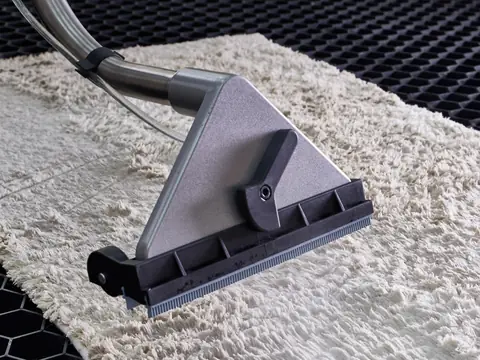
- Extraction. Standing water is pumped or vacuumed out. For clean-water-soaked carpet and concrete, the EPA’s first listed action is a water extraction vacuum.
- Removal. Materials that cannot be dried or cleaned are cut out and discarded, wet insulation among them.
- Drying. Air movers push air across wet surfaces so water evaporates faster, and dehumidifiers bring the humidity of the room down.
- Monitoring. Air temperature, humidity and the moisture content of the materials are measured until each material reaches the dry standard set for it.
- Cleaning and repairs. Surfaces are cleaned, then the rebuild begins.
The trade standard is the IICRC S500, Fifth Edition (2021). It makes finding and correcting the cause of the water the property owner’s responsibility and not the restorer’s. In practice the leak itself is often a job for a plumber or a roofer.
Water mitigation and restoration are two stages
Mitigation is the insurance word for the reasonable steps taken after a loss to stop further damage, according to the National Association of Insurance Commissioners. The sample HO-3 homeowners form published by the Insurance Information Institute lists protecting the property from further damage among the owner’s duties after a loss, and pays the reasonable cost of those measures after a covered loss. A real policy can differ from the sample.
Restoration, as the S500 uses the word, is wider: drying, structural restoration, HVAC restoration and contents. One company may do both stages, or a second may take over for the rebuild, which the water damage repair in Atlanta page covers.
Clean, gray and black water
The S500 sorts water into three categories. Category 1 is water from a sanitary source, such as a broken supply line. Category 2, gray water, carries significant contamination, as in washing machine or dishwasher discharge. Category 3, black water, is grossly contaminated: sewage, and rising water from rivers or streams.
A category is not fixed, because clean water can become Category 2 or 3 with time and temperature. Class is a separate measure of how much material is wet, and it sizes the first set-up of drying equipment. The S500 Consensus Body said on March 16, 2026 that weather-related water is not Category 3 by default and has to be judged on the conditions found.
Call to be connected with a local provider and ask which of these stages it handles.
Time and money
How long it takes, what it costs and what is saved
Restoration takes as long as the materials take to reach their dry standard, then as long as the rebuild takes. FEMA’s published figure is that a wet area usually takes two to three days to dry completely. Rebuild time depends on the scope, the adjuster and any permit, and nobody can state it before seeing the damage.
The clock that matters most is mold. The EPA’s mold guide says wet materials dried within 24 to 48 hours will, in most cases, not grow mold. FEMA advises opening a house to outside air when the humidity outdoors is lower than indoors, and Atlanta’s long-term morning average is 82 percent relative humidity (7 am, 1961 to 1990, as tabulated by Current Results).
What it costs
Water Damage Services Atlanta sets no prices, and each provider quotes its own after seeing the damage.
Five things move the figure: the area, the water category, the materials, how long the water sat and whether a rebuild follows.
Can it be repaired?
In most cases, yes. For clean water, the EPA’s cleanup table says drywall may be dried in place only if it shows no obvious swelling and its seams are intact, wet fiberglass and cellulose insulation are discarded, carpet can be saved if dried within 24 to 48 hours, and hardwood is dried with caution about heat.
None of that applies to sewage or flood water, because the EPA’s table covers clean water only. The CDC says drywall and insulation contaminated by sewage or floodwater are removed and discarded, not dried in place. The water damage repair in Atlanta page takes ceilings, drywall and hardwood one at a time.
For a price and a timeline on your own damage, call and ask the provider you are connected with.
Atlanta
Why Atlanta homes get water damage
- Rain all year. NOAA’s normals total 50.43 inches, and six months each average more than four and a half inches. The National Weather Service ranks 2024 as the city’s 14th wettest year, at 63.18 inches.
- Creeks. The City names the streams that drain Atlanta, among them Nancy Creek, Peachtree Creek and its forks, Proctor Creek, Utoy Creek, Intrenchment Creek and the South River. Peachtree Creek’s record book at Northside Drive reads 25.8 feet in 1919, 23.7 feet on September 22, 2009 and 23.51 feet on September 27, 2024.
- Two storms people remember. The National Weather Service counts more than 20,000 buildings with major damage in Georgia and 10 deaths in the September 2009 flood. During Helene, the Atlanta Journal-Constitution reported 11.12 inches of rain in 48 hours, breaking a record set in 1886.
- Hard freezes. The city fell to 8 degrees F on December 24, 2022 and to 14 degrees F on January 22, 2025.
- Old pipes under the street. On May 31, 2024 water mains broke at Joseph E. Boone Boulevard and J.P. Brawley Drive and at West Peachtree Street and 11th Street. The Journal-Constitution reported that one burst line was around 80 years old.
- One pipe for storm water and sewage. An undated City FAQ says the combined sewer system represents 15 percent of the city: downtown, Midtown near Piedmont Park, the Georgia Tech area and parts of east Atlanta near Grant Park.
Houses and condos
By 2024 American Community Survey estimates, 53.5 percent of Atlanta’s housing units are in buildings of five or more units. In a condo or apartment, tell building management at once, since the building’s shut-offs and shared pipes are usually theirs to operate. Who pays is a question for the association documents and your own policy, and this site gives no legal advice.
Age varies street by street: 10.8 percent of units were built in 1939 or earlier and 44.6 percent in 2000 or later, so the same leak can mean plaster in one house and drywall in the next. The city lies in Fulton County, with a part in DeKalb County. Creek-side streets such as those in Memorial Park and Peachtree Battle, the combined sewer core and the historic districts each raise different questions after a leak or a flood, and the Atlanta neighborhoods covered page goes through them.
Wherever the building is in Atlanta, the call is the same: tap the button and say what is wet.
Before you hire
Insurance in Georgia and how to check a provider
Coverage depends on the wording of your own policy. These are the general lines that regulators and insurance industry sources draw.
- Sudden and accidental. The National Association of Insurance Commissioners describes the plumbing loss a homeowners policy pays for as a discharge that is both sudden and accidental. The Insurance Information Institute says a policy will not pay for damage due to lack of maintenance.
- Flood is separate. Georgia’s Office of Commissioner of Insurance says a standard homeowners policy does not cover flooding and that flood cover is a separate policy.
- Sewer backup. The Insurance Information Institute says backups are not covered by a typical homeowners policy or by flood insurance. The cover is bought as a separate product or an endorsement.
- Questions and disputes. The commissioner’s Consumer Services Division answers insurance questions and helps resolve disputes between policyholders and insurers, and a policyholder who cannot settle a dispute can file a complaint with the office. Its insurance resources page lists the phone lines.
- Who picks the contractor. Ask your adjuster and read the policy. This page does not state a rule.
How to check the provider you are connected with
The provider is an independent business, and verifying its license and insurance is your job as the owner. The Georgia statutes and state consumer guidance reviewed for this page name no state license specific to water damage restoration or mold remediation. What the state does license is certain residential and general contracting, along with plumbing, electrical and conditioned air work.
- Look up a contractor license at sos.ga.gov: choose Licensing, then Licensee Search, open the Building and Contractors tab and select Residential and General Contractors. The Attorney General’s Consumer Ed page sets out the steps.
- Ask for proof of general liability insurance and check that the name on it matches the licensed person or business, as the Residential and General Contractors Board advises.
- Get a written contract that sets out the work, the materials, the final clean-up, a completion date and a payment schedule.
- Never pay the whole cost before the work is complete. That is the Board’s advice too.
- Ask about IICRC certification. It is a credential from the body that publishes the S500, not a state license, and a provider that holds it can show it.
The about page explains how this free service works, and you can contact Water Damage Services Atlanta with a question about the site itself.
Call to be connected with a local restoration provider, then run these checks before anything is signed.
Questions
Atlanta water damage questions, answered plainly
What does water damage restoration include?
Water damage restoration includes inspection, water extraction, removal of materials that cannot be dried, drying with air movers and dehumidifiers, moisture readings until the materials reach a dry standard, cleaning and repairs. The trade standard for the work is the IICRC S500, Fifth Edition (2021). That standard leaves finding and correcting the cause of the water to the property owner. In practice that often means a plumber or roofer as well as the restoration provider.
How much does water damage restoration cost in Atlanta?
It depends on the area, the water category, the materials and how long the water sat. Water Damage Services Atlanta sets no prices, and each provider quotes its own.
How long does restoration take after water damage?
Drying is finished when the materials reach a dry standard, not on a set day. FEMA says a wet area usually takes two to three days to dry completely. Repairs come after drying and depend on the scope, the insurance adjuster and any permit. Only the provider who has seen the damage can give a timeline.
Can water damage be repaired, and what usually has to be replaced?
In most cases it can. For clean water, the EPA’s cleanup table says drywall may be dried in place only if it shows no obvious swelling and its seams are intact, wet fiberglass and cellulose insulation are discarded and replaced, and carpet can be saved if dried within 24 to 48 hours. After sewage or flood water, the CDC says contaminated drywall and insulation are removed and discarded.
Is Water Damage Services Atlanta a restoration company?
No. Water Damage Services Atlanta is a referral service and not a contractor. It connects callers by phone with independent local water damage restoration providers and does no drying, cleaning or repair work itself. Any assessment, price, contract and warranty is between you and the provider you are connected with, and it is up to you to verify that provider’s license and insurance before work starts.
Does it cost anything to call?
No. The call is free and there is no obligation to hire anyone. You are connected with an independent provider, who decides how to follow up and prices any work. Whether a provider can take your job depends on which providers are taking calls and on their own capacity, so this site does not promise a response time. Some participating providers take calls at night and on weekends, and that availability varies and is not guaranteed.
What is the difference between water mitigation and water damage restoration?
Mitigation is the first stage: the reasonable steps taken after a loss to stop further damage, such as shutting off the water, extracting it and starting to dry. The National Association of Insurance Commissioners says policies use that word for those steps. Restoration, in the IICRC S500 sense, is wider and takes in drying, structural restoration, HVAC and contents. One provider may handle both stages, or a second company may take over for the rebuild.
Does homeowners insurance in Georgia cover water damage?
It depends on the cause and on your policy. The National Association of Insurance Commissioners describes the plumbing loss a homeowners policy pays for as a sudden and accidental discharge. Flooding is separate: Georgia’s Office of Commissioner of Insurance says a standard homeowners policy does not cover it. The Insurance Information Institute says sewer backup cover is bought as a separate product or an endorsement.
Who do I call at the City of Atlanta about a main break or a sewer backup?
Report it to the Department of Watershed Management, whose customer care line is listed on the City’s report a problem page, or dial 3-1-1 inside the city. For a suspected sewer backup, the City says to call at once and that a first responder investigates within 8 hours. That is the City’s stated time for its own pipes. Water or sewage already inside your building is a separate job for a restoration provider.
What should I do right now while I wait for help?
Stop the water at the fixture or the main shut-off if you can reach it safely. The CDC says to switch off the main power only if the panel can be reached from a dry place, and never to use anything electric while standing in water. Treat water from a drain, a creek or the street as contaminated and keep children and pets away from it. Photograph the damage before you move anything.
Who comes to my home, and how do I check their license and insurance in Georgia?
An independent local restoration provider, if you decide to have one come out. It is not an employee of this site, and checking it is the owner’s job. The Attorney General’s Consumer Ed site explains how to look up a contractor license at sos.ga.gov under Licensing and Licensee Search. The Residential and General Contractors Board advises asking for proof of general liability insurance and checking that the name on it matches the licensed person or business.
Is flooding from a creek or heavy rain covered, or do I need flood insurance?
Flood cover is generally a separate policy. Georgia’s Office of Commissioner of Insurance says a standard homeowners policy does not cover flooding, and FEMA states that most homeowners insurance does not cover flood damage. Whether a particular loss counts as flood, and what an existing flood policy pays, comes down to the policy wording and the adjuster. Ask your agent or adjuster before assuming either way.
How soon can mold start after a leak?
Within a day or two. FEMA says mold colonies can start to grow on a damp surface within 24 to 48 hours, and the EPA says wet materials dried within that window will, in most cases, not grow mold. The EPA also notes that the 48-hour mark is a guideline: mold does not always appear after 48 hours, and it may have started in materials that were dried sooner.
I live in a condo. Who do I tell about water damage?
Tell building management straight away, and follow up in writing. During the December 2022 freeze, DeKalb County’s E-911 director asked residents with burst pipes to call a plumber or their property manager, as Fox 5 Atlanta reported. Who pays for what is set by the association documents and the insurance policies involved.
Water damage in Atlanta? Talk to a local provider
One free call, no forms to fill in. You are connected with an independent local restoration provider, and whether you hire them is your decision.